
Executive Summary
This whitepaper provides a definitive technical and legal analysis of black mould and condensation damp in London housing. Key statutory figures and scientific findings include:
- 3.8 million UK households affected by damp and mould, with London showing the highest concentration due to dense multi-occupancy and historic housing stock.
- 300% surge in damp and mould complaints to the Housing Ombudsman across London since 2021.
- Awaab's Law (Social Housing Regulation Act 2023, extended via the Renters' Rights Bill) mandates 24-hour emergency response and 10-day investigation deadlines for housing hazards.
- Newham Council can issue civil penalties of up to £30,000 for failure to remediate persistent damp and mould under the Housing Act 2004 Part 3.
- Domestic bleach (sodium hypochlorite) is chemically ineffective on porous substrates; re-bloom occurs within 14–21 days because chlorine cannot penetrate micropores to kill hyphae.
- Condensation occurs when warm moisture-laden air contacts cold surfaces below the dew point (e.g., 13.5°C in winter for 20°C air at 60% RH), allowing fungal spores to germinate within 24–48 hours.
The Biological Threat: Identifying Black Mould and Its Health Implications
Black mould is a colloquial term for a variety of fungal species that appear dark green, brown, or black due to the production of melanin. In London homes, the most common genera include Aspergillus, Penicillium, Cladosporium, and the toxigenic Stachybotrys chartarum. These fungi thrive in damp, humid environments and can cause significant health problems, particularly for vulnerable occupants such as asthmatics, the elderly, and immunocompromised individuals.
Common Toxic and Allergenic Species in London Housing
Table 1 outlines the primary mould species found in London properties, their preferred substrates, and associated health effects.
| Species | Common Substrates | Health Effects |
|---|---|---|
| Stachybotrys chartarum | Cellulose-rich materials (plasterboard, wallpaper, timber) | Mycotoxin production (trichothecenes); respiratory distress, asthma exacerbation, skin irritation |
| Aspergillus fumigatus | Dust, insulation, HVAC systems | Allergic bronchopulmonary aspergillosis; invasive aspergillosis in immunocompromised |
| Penicillium chrysogenum | Wallpaper, paint, damp plaster | Allergic rhinitis, asthma triggers |
| Cladosporium herbarum | Textiles, wood, painted surfaces | Respiratory allergies, asthma |
Mycotoxins and Respiratory Health: The Stachybotrys Problem
Stachybotrys chartarum (often called 'toxic black mould') is particularly concerning because it produces trichothecene mycotoxins. These secondary metabolites are released into the air as spores or fragments and can cause severe respiratory distress, asthma exacerbation, and skin irritation. The Housing Ombudsman Service Spotlight on Damp and Mould highlights that prolonged exposure to such mould can lead to chronic health conditions, particularly in children and the elderly. In Newham, where many properties are older and poorly ventilated, the risk is amplified.
The Physics of Condensation: Why London Homes Are Vulnerable
Condensation is the most common cause of damp in London homes, accounting for over 70% of cases. It occurs when warm, moisture-laden air comes into contact with a cold surface and the temperature falls below the dew point. At 20°C, air can hold up to 17.3 grams of water vapour per cubic metre. If that air cools to 13.5°C (the dew point at 60% relative humidity), condensation forms. In winter, external walls, windows, and unheated rooms often drop below this threshold.
Dew Point, Thermal Bridging, and Vapour Pressure
Thermal bridging occurs where building elements with high thermal conductivity bypass insulation, creating cold spots. In London's Victorian terraces, solid 9-inch brick walls without cavity insulation act as thermal bridges, drastically increasing condensation risk. The Section 11, Landlord and Tenant Act 1985 requires landlords to keep the structure and exterior in repair, which includes addressing thermal performance if it contributes to damp.
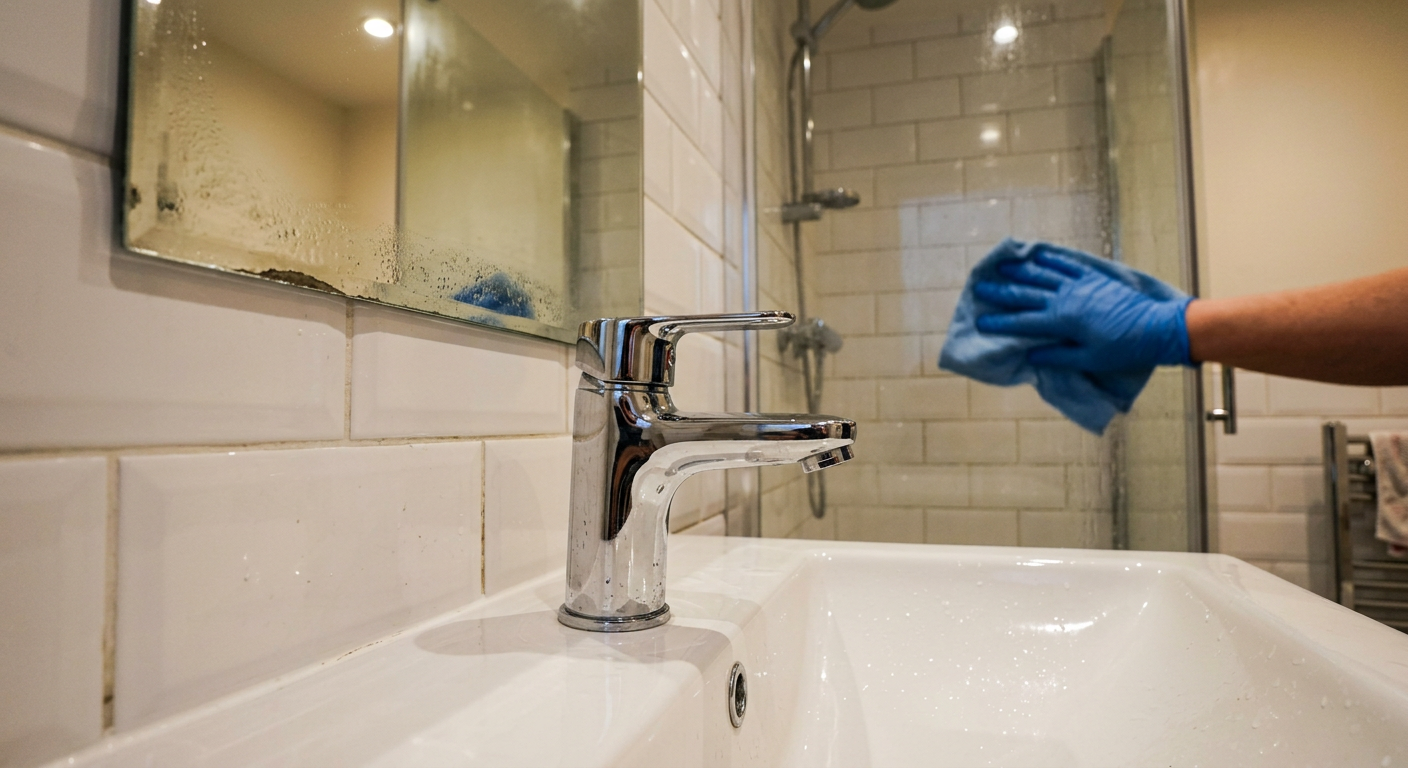
Architectural Contrast: Victorian Solid Brick vs. Modern Airtight High-Rises
London's housing stock is highly varied. In East Ham and Plaistow, solid 9-inch brick Victorian terraces without cavity insulation produce cold thermal bridges, causing condensation on internal wall surfaces. Conversely, modern airtight high-rises in Canning Town and Stratford trap human-generated water vapour (from cooking, showering, and drying clothes) without natural passive chimney draughts. Building Regulations Part F (Ventilation) and Part L (Conservation of Fuel & Power) set minimum standards, but many existing buildings fall short.
The Bleach Fallacy: Chemical Inadequacy of Domestic Products
Domestic sodium hypochlorite bleach (pH 11–13) is widely used on mould, but it is fundamentally ineffective on porous building substrates. Chlorine molecules have high surface tension and cannot penetrate micropores to reach hyphae and mycelium roots. Bleach only bleaches the surface melanin, making the mould appear to disappear, while the 95% water carrier penetrates deep into plasterboard, London stock brick, and timber, actually feeding the fungal network. As a result, re-bloom typically occurs within 14–21 days.
Surface Tension, Micropores, and the Rebound Effect
Porous materials like plasterboard and mortar have micropores as small as 0.1–10 micrometres. Chlorine molecules, due to their high surface tension, cannot penetrate these pores. In contrast, true fungicidal biocides are formulated with surfactants that reduce surface tension, allowing the active ingredient to penetrate and kill the fungal structure. The rebound effect is a well-documented phenomenon: bleach-treated surfaces show rapid recolonisation because the underlying mycelium remains viable.
True Fungicidal Biocides vs. Sodium Hypochlorite: A Comparative Analysis
| Property | Sodium Hypochlorite (Bleach) | True Fungicidal Biocides |
|---|---|---|
| pH | 11–13 (alkaline) | 6–8 (neutral) |
| Surface Tension | High (~72 mN/m) | Low (~30 mN/m with surfactants) |
| Penetration into Porous Substrates | Poor | Excellent |
| Mechanism | Oxidation, bleaching of melanin | Membrane disruption, enzyme inhibition, protein denaturation |
| Residual Activity | None; evaporates quickly | Some products provide residual protection |
| Re-bloom Time | 14–21 days | Weeks to months if applied correctly |
| Safety | Corrosive, toxic fumes | Varies; professional-grade products require PPE |
Professional remediation uses biocides such as quaternary ammonium compounds, hydrogen peroxide, or specific fungicidal formulations that are approved under the Biocidal Products Regulation. These are applied with low-pressure sprayers to achieve complete surface saturation and penetration.
Statutory Framework: Landlord Obligations and Tenant Rights
Landlords in London have clear legal duties to address damp and mould. The Landlord and Tenant Act 1985 (Section 11) imposes a statutory repairing duty for structure, exterior, heating, and sanitation. The Homes (Fitness for Human Habitation) Act 2018 further establishes damp and mould as a Category 1 Housing Health and Safety Rating System (HHSRS) hazard, meaning the property is unfit for human habitation if the hazard is significant.
Section 11 Landlord and Tenant Act 1985
Section 11 requires landlords to keep in repair the structure and exterior of the dwelling, including walls, roofs, windows, and doors. It also covers heating and sanitation installations. If damp and mould arise from disrepair (e.g., leaking roof, defective guttering, rising damp), the landlord is legally obligated to remedy it. Tenants must notify the landlord, and the landlord must act within a reasonable time.
Homes (Fitness for Human Habitation) Act 2018 and HHSRS Category 1 Hazard
This Act implies a covenant into tenancy agreements that the property is fit for human habitation at the start and throughout the tenancy. Damp and mould are assessed under HHSRS as a Category 1 hazard if they pose a serious risk to health. The local authority can serve an improvement notice or take emergency action.
Awaab's Law: 24-Hour Emergency Response and 10-Day Investigation
Awaab's Law, enacted via the Social Housing Regulation Act 2023 and extended through the Renters' Rights Bill, mandates strict timelines for social landlords. For damp and mould hazards, landlords must respond to emergencies within 24 hours and complete an investigation within 10 days. This represents a significant strengthening of tenant protections. The Awaab's Law Statutory Guidance (Gov.uk) provides detailed requirements.
Newham Council Licensing and Civil Penalties up to £30,000
Newham Council operates a Private Rented Property Licensing scheme under the Housing Act 2004 Part 3. The council's enforcement teams can issue civil penalties of up to £30,000 for failure to remediate persistent damp and mould. The Newham Council Environmental Health & Property Licensing department actively inspects properties and can prosecute landlords who neglect their duties.
Enforcement and Legal Remedies: Housing Ombudsman and Local Authority Action
The Housing Ombudsman Service has reported a 300% surge in damp and mould complaints across London since 2021. This reflects both increased awareness and widespread landlord failures. Tenants can escalate complaints to the Ombudsman if the landlord has not resolved the issue within a reasonable timeframe.
The Housing Ombudsman's Spotlight Report and 300% Surge
The Ombudsman's Spotlight on Damp and Mould (2021) highlighted systemic failures in social housing. The report found that landlords often misdiagnosed the cause, blamed tenants for lifestyle issues, and delayed remedial works. The 300% surge in complaints indicates that tenants are increasingly willing to hold landlords accountable.
Newham Council Environmental Health Enforcement
Newham Council's Environmental Health team can inspect properties under the HHSRS and serve improvement notices or prohibition orders. They can also prosecute landlords for non-compliance with the Private Rented Property Licensing scheme. Tenants can request an inspection by contacting the council directly.
How Tenants Can Document and Escalate
Tenants should document all instances of damp and mould with dated photographs, keep a log of communications with the landlord, and request a written report. If the landlord fails to act, tenants can contact Newham Council's Environmental Health team or the Housing Ombudsman. For professional assistance with documenting and remediating mould, our local technical dispatch team can be reached directly at 020 8079 9511 for transparent fixed quotes and same-day scheduling.
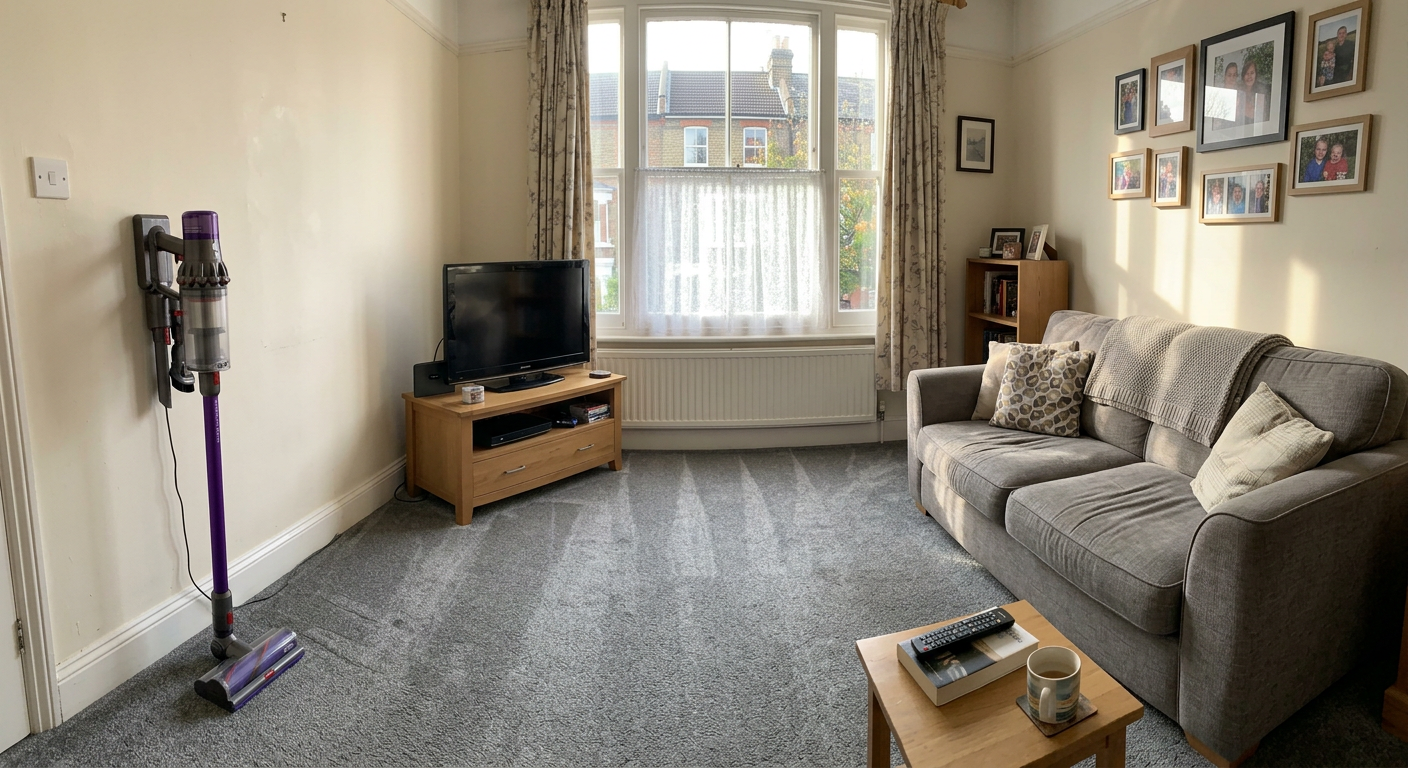
Professional Remediation Protocols: Beyond Surface Cleaning
Effective mould remediation requires a systematic approach that goes beyond surface cleaning. The protocol involves containment, HEPA filtration, negative air pressure, biocide application, and post-remediation verification.
Containment, HEPA Filtration, and Negative Air Pressure
Before any treatment, the affected area must be contained using polythene sheeting and negative air pressure units with HEPA filters. This prevents spores from spreading to unaffected areas. Technicians wear full PPE including respirators, goggles, and protective suits. For black mould removal in Canning Town, our teams follow strict containment protocols.
Biocide Application, Dwell Time, and Surface Saturation
True fungicidal biocides must be applied to achieve complete surface saturation. Dwell time (the time the biocide remains wet on the surface) is critical—typically 10–30 minutes depending on the product. Low-pressure sprayers are used to avoid aerosolising spores. After dwell time, the surface is wiped and the area dried using industrial dehumidifiers and air movers.
Post-Remediation Verification and Clearance Testing
After remediation, clearance testing is conducted using air sampling and surface swabs to ensure that mould spore levels are within acceptable limits. This is particularly important for landlords who need to demonstrate compliance. For residential deep cleaning in East Ham, we provide written verification reports.
If you require professional deep house cleaning in Stratford or end of tenancy cleaning in Canning Town, our technical team can be reached at 020 8079 9511 for transparent fixed quotes and certified service guarantees.
Preventive Strategies and Building Physics Interventions
Prevention is better than cure. The following strategies are essential to control condensation and prevent mould recurrence.
Ventilation Improvements: Part F and Part L Compliance
Building Regulations Part F requires adequate ventilation in dwellings. This includes mechanical extract fans in bathrooms and kitchens, and background ventilators in habitable rooms. For existing buildings, retrofit ventilation systems such as positive input ventilation (PIV) or mechanical ventilation with heat recovery (MVHR) can be effective. Part L sets thermal performance standards to reduce cold bridging.
Thermal Performance Upgrades and Condensation Control
Improving thermal performance through insulation, double glazing, and draught-proofing reduces cold surfaces where condensation forms. However, increased airtightness must be balanced with adequate ventilation. Solid brick walls can be insulated internally or externally, but this requires careful design to avoid interstitial condensation.
Dehumidification and Humidity Monitoring
Maintaining indoor relative humidity below 60% is critical. Dehumidifiers, hygrometers, and smart sensors can help monitor and control humidity. Extractor fans in bathrooms and kitchens should be used consistently. For domestic cleaning services in Newham, we provide advice on humidity control.
Checklist for tenants and landlords:
- Use extractor fans during and after showering/cooking for at least 20 minutes.
- Dry clothes outdoors or in a vented tumble dryer; avoid indoor drying on radiators.
- Keep furniture away from external walls to allow air circulation.
- Monitor humidity with a hygrometer; aim for 40–60% RH.
- Report any leaks or rising damp immediately.
Pricing Transparency for Mould Remediation in Newham
We believe in transparent pricing. The table below outlines typical costs for professional mould remediation services in Newham and Greater London.
| Service | Description | Price Range |
|---|---|---|
| Targeted Bathroom / Sealant Treatment | Removes stubborn black mould from shower cubicles, bath silicone, tile grout, and window reveals. | £85 – £120 |
| Single Room Mould Remediation | Comprehensive treatment for bedroom or living room walls and ceilings affected by condensation damp. | £150 – £195 |
| Multi-Room Rental Flat Decontamination | Designed for rental apartments (1-2 beds) facing condensation mould issues before tenant handover or inspection. | £240 – £340 |
| Whole House Deep Anti-Fungal Reset | Complete multi-level residential mould eradication across all habitable rooms, lofts, or basements. | £380 – £520 |
For a precise quote tailored to your property, contact our local technical dispatch team at 020 8079 9511.
Conclusion and Key Takeaways
Black mould and condensation damp are serious issues affecting millions of London households. The scientific evidence is clear: domestic bleach is ineffective on porous substrates, and true remediation requires professional-grade fungicidal biocides, containment, and verification. Legally, landlords have stringent obligations under Section 11, the Homes (Fitness for Human Habitation) Act 2018, and Awaab's Law. Newham Council can impose civil penalties of up to £30,000 for non-compliance. Tenants should document issues and escalate to the council or Housing Ombudsman if necessary. For professional assistance, our team is available at 020 8079 9511.